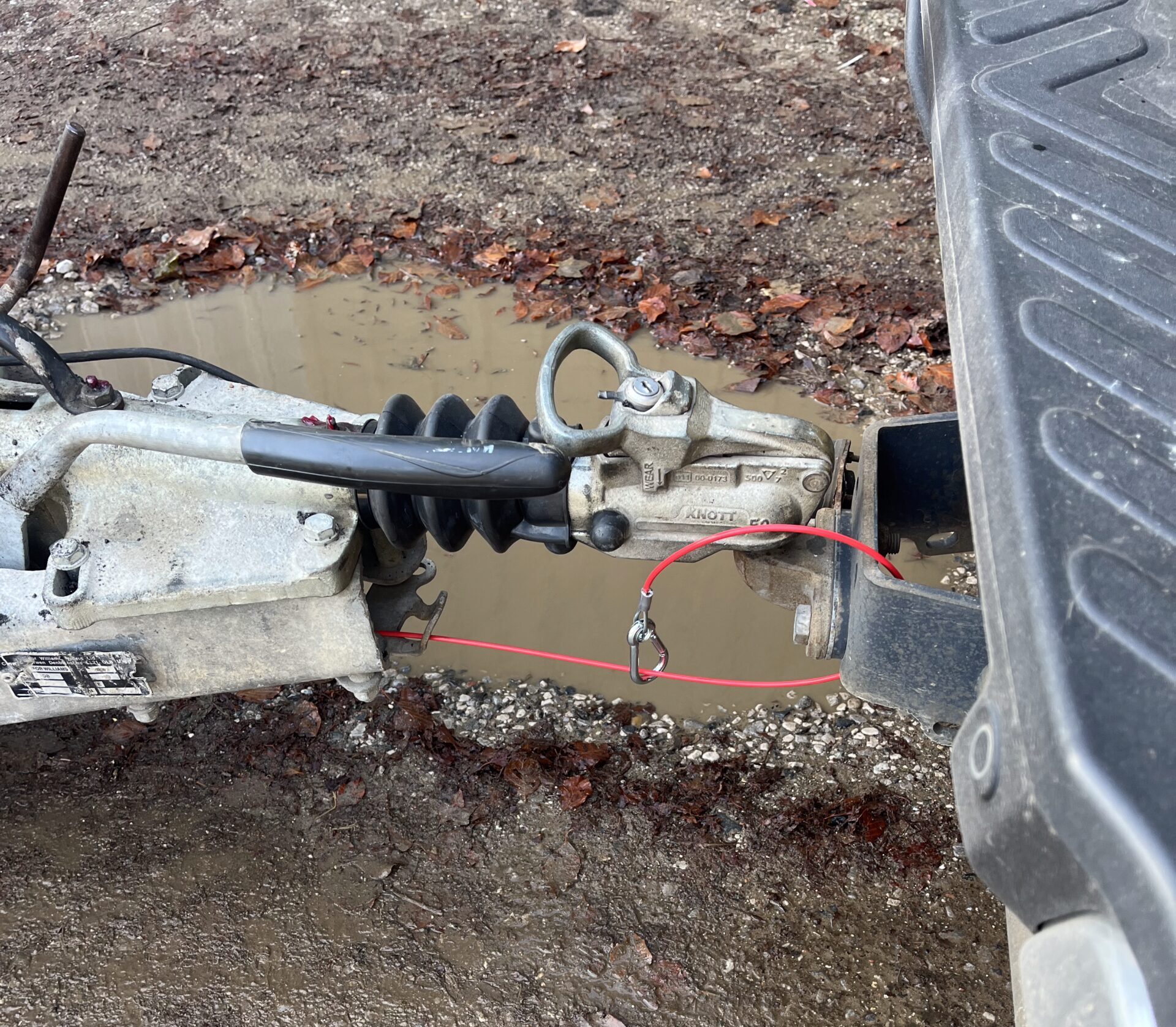
Your towing hitch is the critical link between your vehicle and trailer. Over time, wear and tear can affect its safety and performance, so it’s important to understand the causes, risks, and maintenance needed to keep your hitch in top shape.
What Causes Wear in Towing Hitches?
- Friction & Movement: Regular coupling, uncoupling, and towing cause metal-to-metal contact, gradually wearing down surfaces.
- Corrosion & Rust: Exposure to water, road salt, and weather accelerates corrosion, weakening metal components.
- Overloading: Exceeding the hitch’s weight limits puts extra strain, causing deformation or damage.
- Poor Lubrication: Lack of lubrication increases friction and accelerates wear.
Risks of a Worn Towing Hitch
- Increased risk of hitch failure or trailer detachment
- Difficulty coupling or uncoupling the trailer
- Excessive play or looseness in the hitch connection
- Damage to vehicle or trailer components from instability
Signs Your Towing Hitch May Be Worn
- Visible wear marks, grooves, or deformation on the ball or coupling
- Excessive play or movement when the trailer is hitched
- Rust or corrosion build-up affecting the hitch or locking mechanisms
- Difficulty locking or unlocking the hitch
How to Maintain Your Towing Hitch
- Regular Inspection: Check for cracks, rust, and wear marks before every trip.
- Keep It Clean: Remove dirt, rust, and debris regularly.
- Lubricate Moving Parts: Use a suitable grease on the hitch ball and moving components.
- Avoid Overloading: Always tow within the hitch and vehicle’s rated limits.
- Replace When Needed: If wear or damage is severe, replace the hitch or components promptly.
Need Hitch Maintenance or Replacement?
At Unthank Trailers, we stock a range of high-quality towing hitches and offer professional inspections and servicing to keep you safe on the road.
Call or message us today to discuss your towing needs.